
Australia's peak industry body for Sports Turf Management
Australia's peak industry body for Sports Turf Management
By Nick Creely
Despite a hectic schedule, high expectations and often battling the elements, Frankston City Council and its dedicated turf maintenance team continue to punch above their weight when it comes to delivering pristine playing surfaces across its community.
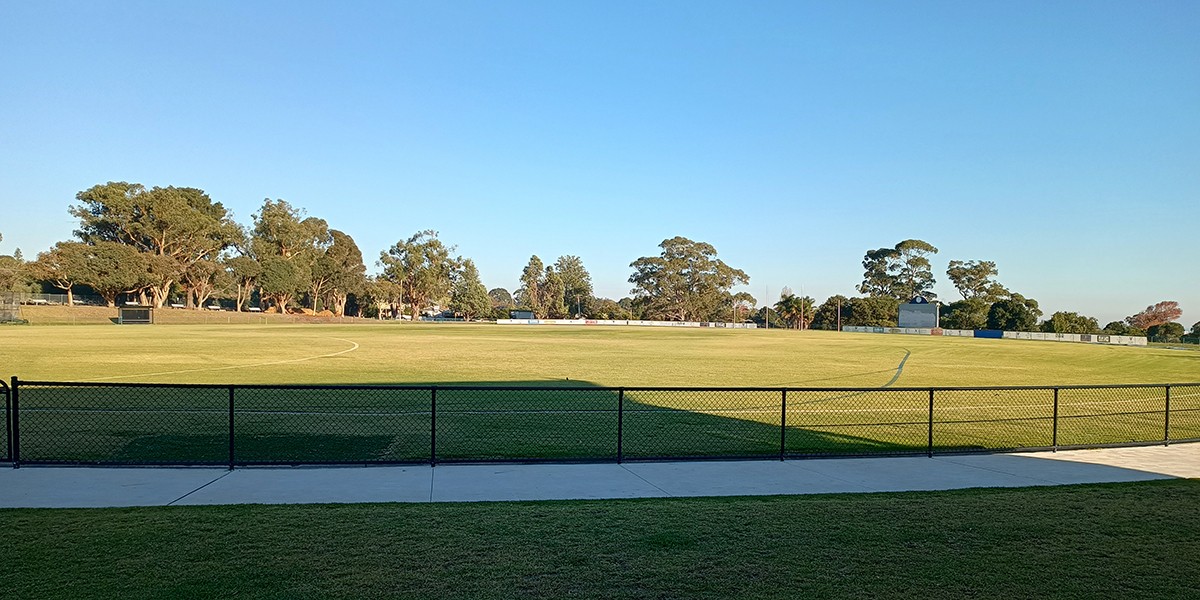
The vibrant south-east Melbourne city is well-known for a lot of reasons, and it’s thriving sporting community is one of the busiest in Victoria.
Led by renowned female turf manager Sally Benwell - who was part of the elite turf crew at the FIFA Women’s World Cup in 2023 - her team of 14 maintains 68 ovals across the city, 86 hectares of sports turf, a synthetic oval, an athletics track and a public access golf course.
Some of these facilities include Frankston Park, the home of VFL club Frankston Dolphins, the state-of-the-art Jubilee Park (pictured right) which hosts Victorian Premier Cricket and Australian rules football, Centenary Park Golf Club – which Benwell is superintendent – and Centenary Park soccer facility just up the road which is the home to the Peninsula Strikers.
It’s a complex week-to-week operation which involves supporting over 100 local clubs, more than 30,000 club members and 74,000 school kids in using these facilities every year.
Benwell, one of the leading female sports turf managers in Australia, detailed a typical week for her staff which navigates a range of different factors.
“I’ve been with council now for 15 years and managing the sports grounds for about 12, and when I took over the golf course four years ago I amalgamated the team,” she said. “All the boys start the day from the golf course from 5am in the morning and the sports ground staff start at 7, but our equipment and machinery is basically down at the golf course and it’s basically our depot and how we can manage it.
“We are really busy; there’s barely any downtime between footy and cricket so it can be hard to stick to our programs because it is really weather dependent. The expectation on sporting grounds is off its head compared to what it was 10 years ago so the job is getting harder and harder.
“On a Monday we assess the damage, whether it be vandalism or just wear and tear from usage and then we aim to deliver the ovals. These ovals also get trained on five nights a week and we have over 35,000 school bookings so the only day I have without school bookings is Mondays and Fridays so we must look at these closely because during the day we need to do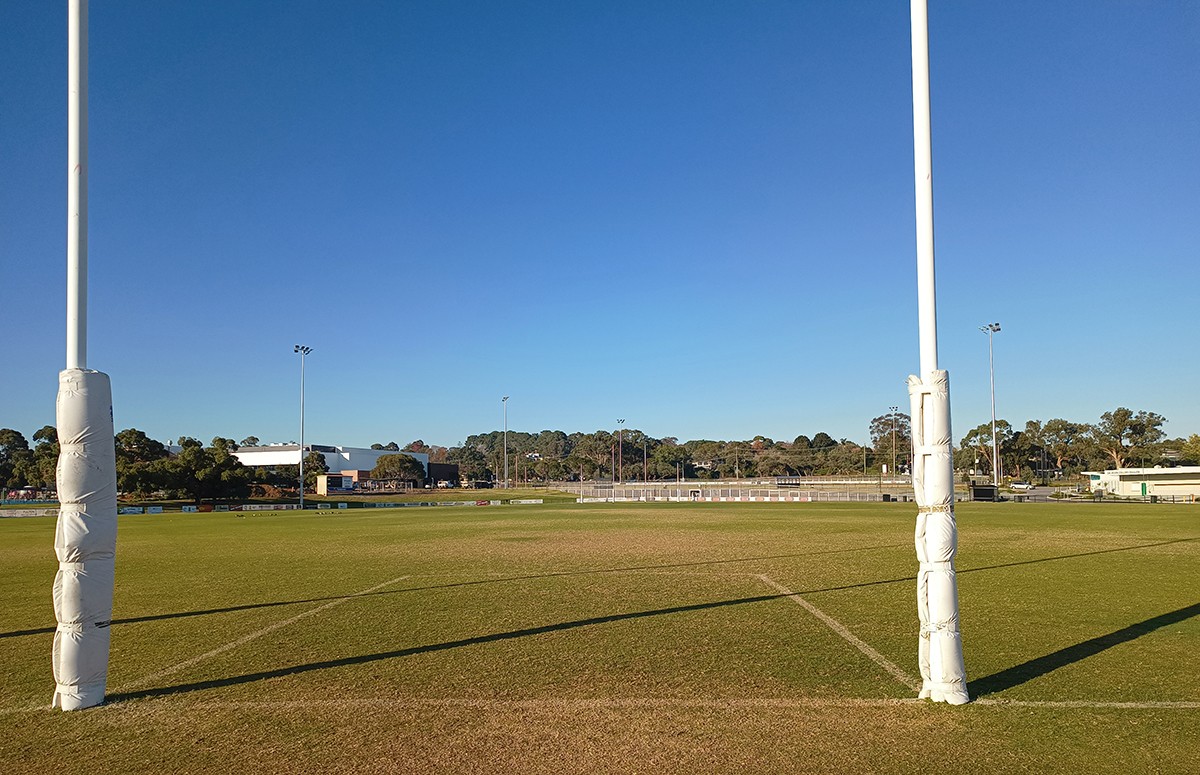 our maintenance. We can’t do weekend work because games are on.”
She said she was proud of what her turf maintenance team is delivering every week for its sporting community despite the pressures of the job.
“It is hard considering we are working against seasons and there is only so much you can do on rainy days,” he said. “But our ovals in really good condition, we’d like to do a more but we don’t simply have the time because we’re in such high demand. The changeover from footy to cricket use to be four weeks but isn’t anymore, and we have to cover 35 wickets, wrap them in plastic and dump eight metres of a special blend soil on them with a stabiliser underneath.
“It can be a stressful time for the turfies but 100 per cent (I’m proud) of what we are able to deliver each week.”
Images by Nick Creely